


















Overview
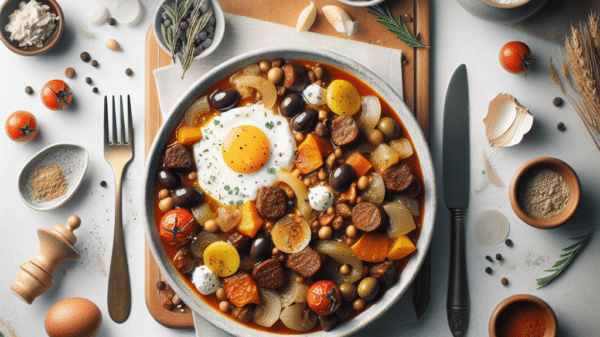
Hearty Greek stews, or “stifado” as it’s commonly known, represent the comforting essence of Greek cuisine. Perfect for anyone seeking a nutritious and soul-soothing meal, these stews are especially suited for home cooks looking to explore Mediterranean flavors. With a prep time of about 30 minutes, a cook time of 3 to 4 hours, and an overall difficulty level of intermediate, Greek stews are a labor of love that rewards you with depth and complexity.
Originating from various regions throughout Greece, stifado variations can highlight the differences in local ingredients and culinary traditions. The unique flavor profile is characterized by warm spices, rich tomatoes, and the sweetness of onions, often accentuated with a dash of red wine or vinegar. Greeks traditionally serve these stews on special occasions, during family gatherings, or simply to celebrate the changing seasons.
Ingredients
- 1 kg (2.2 lbs) of beef or lamb, cut into chunks
- 4 tablespoons olive oil (60 ml)
- 4 large onions, finely chopped
- 4 cloves garlic, minced
- 400 g (14 oz) canned tomatoes, crushed or whole
- 250 ml (1 cup) dry red wine
- 2 tablespoons red wine vinegar (30 ml)
- 1 tablespoon tomato paste (15 g)
- 2-3 bay leaves
- 1 teaspoon cinnamon (5 g)
- Salt and black pepper, to taste
- 2 tablespoons sugar (30 g)
- 500 g (1 lb) small pearl onions (or shallots), peeled
- Fresh parsley, for garnish
Typical Greek ingredients such as extra virgin olive oil, high-quality red wine, and local spices bring authenticity to the dish. Optional toppings include chopped parsley for freshness and a sprinkle of feta cheese for saltiness.
Step-by-Step Instructions
- Initial Prep (30 min): Begin by cutting the meat into equal chunks. Season with salt and pepper. Heat 2 tablespoons of olive oil in a large pot over medium-high heat, add the meat, and sear until brown on all sides (about 5-7 minutes).
- Onion Sauté (10 min): Remove the browned meat and set aside. In the same pot, add the remaining olive oil and the chopped onions. Sauté until they are transparent and soft, about 8-10 minutes. Stir in the minced garlic.
- Build the Base (15 min): Add crushed tomatoes, red wine, vinegar, sugar, and tomato paste to the onions. Stir well to combine, scraping up any browned bits from the bottom of the pot.
- Add Meat and Season (5 min): Return the meat to the pot. Toss in the bay leaves, cinnamon, and small onions. Stir everything together and allow it to come to a gentle simmer.
- Slow Cooking (3-4 hours): Lower the heat to low, cover the pot, and let it cook for 3 to 4 hours, stirring occasionally. The stew is done when the meat is fork-tender and the flavors have melded beautifully.
- Final Touches: Taste and adjust seasonings. Remove bay leaves before serving. Consider garnishing with chopped parsley.
Ensure you don’t rush the cooking process, as slow cooking enhances the flavors. Avoid overcooking the onions initially to prevent them from losing their shape, and ensure to check the liquid level to prevent burning.
Variations & Substitutions
If you need dietary modifications, consider the following:
- Vegan: Replace meat with eggplant or hearty mushrooms like portobello. Use vegetable broth instead of wine.
- Gluten-Free: This recipe is naturally gluten-free, as it doesn’t require flour or gluten-based products.
- Dairy-Free: Exclude optional feta cheese, and use only fresh herbs for flavor.
Regional variations may include:
- Macedonian Stifado: Utilizing a variety of spices like cumin and including carrots.
- Island Variants: Incorporate local seafood, adapting the base to include fresh herbs and citrus.
Make Ahead, Storage & Reheating
Greek stews can be made up to 2 days in advance. Store it in an airtight container in the refrigerator to let the flavors deepen. For longer storage, you can freeze it for about 3 months.
To maintain a pleasant texture upon reheating, defrost overnight in the refrigerator, then gently reheat in a saucepan over low heat, adding a splash of water or broth to loosen it if needed.
Nutrition (Approx.)
Each serving of traditional Greek stifado contains approximately 465 calories, 25g of protein, 15g of carbohydrates, and 35g of fat. For a lower-calorie option, use leaner cuts of meat and reduce the olive oil.
Serving Suggestions
This comforting dish pairs beautifully with a robust red wine, such as a Spanish Tempranillo, or a fruity Greek wine. Serve it beside a fresh salad with olive oil dressing or warm crusty bread to soak up the rich sauce.
For an elegant presentation, serve in rustic, shallow bowls with a sprinkle of chopped parsley and a light drizzle of olive oil. If you’re aiming for kid-friendly options, pair this stew with rice or roasted potatoes.
FAQs
- How long should Greek stifado simmer? Aim for a simmer time of 3-4 hours for best flavor and tenderness.
- Can I use chicken instead of beef or lamb? Absolutely! Just reduce the cooking time to about 1.5-2 hours.
- What should I do if it’s too salty? Adding a splash of acid, such as vinegar, can help balance excess saltiness.
- Can I freeze stifado? Yes, you can freeze it for up to 3 months. Just ensure it’s cooled completely before storing.
Conclusion
Mastering traditional Greek stews not only uplifts your culinary skills but also connects you to the rich tapestry of Greek culture through food. With patience and attention to detail, you can create a dish that resonates with authenticity and flavor. We invite you to dive into these recipes, try the traditional techniques at home, and share your favorite Greek stew creations with us!