
















Overview
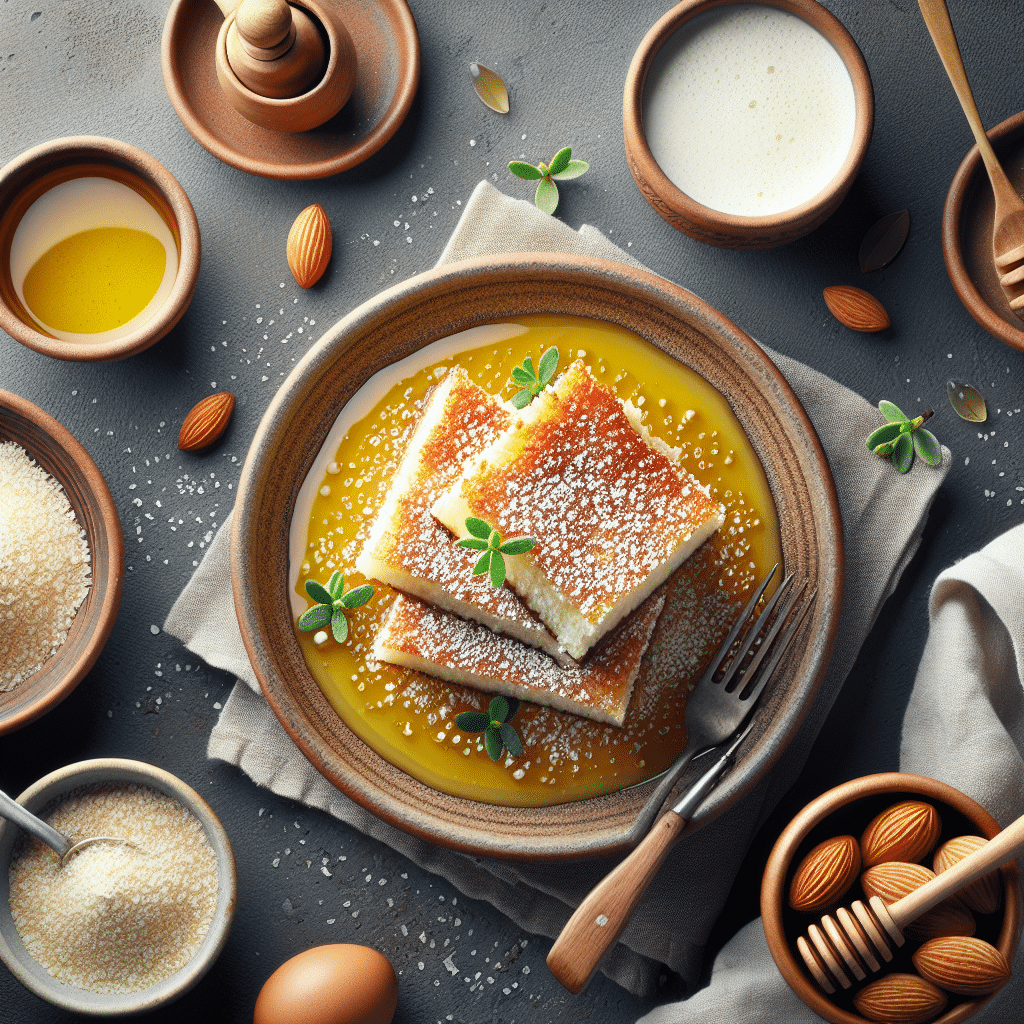
Greek semolina desserts are a celebrated category of treats that showcase the versatility of semolina, often highlighting the country’s rich culinary heritage. Ideal for pastry lovers and adventurous home bakers, these desserts typically feature a delightful interplay of textures—from creamy puddings to firm cakes. Preparation and cook times range from 30 minutes to a few hours for certain dishes (including chilling). The difficulty varies, but most recipes are accessible for dedicated cooks.
These semolina-based desserts are a staple in various regions of Greece, with many recipes rooted in traditions passed down through generations. Typically enjoyed after dinner, during festive celebrations, or served alongside a coffee, the flavor profiles can range from sweet and nutty to citrusy and aromatic, often enhanced with hints of vanilla or cinnamon.
Ingredients
- 250g (2 cups) fine semolina
- 1 liter (4 cups) whole milk (or almond milk for dairy-free)
- 200g (1 cup) granulated sugar (or coconut sugar for lower-calorie versions)
- 100g (1/2 cup) unsalted butter (or coconut oil for vegan)
- 3 large eggs (or flax eggs for vegan)
- 1 teaspoon vanilla extract (preferably Greek)
- 1 lemon, zested and juiced (or orange for variation)
- Pinch of salt
- Optional toppings: toasted almonds, cinnamon, powdered sugar, fresh berries
Step-by-Step Instructions
- Prepare the semolina base: In a medium saucepan, bring the milk to a simmer over medium heat. Stir occasionally to prevent it from scorching.
- Combine dry ingredients: In a bowl, mix the semolina, sugar, and salt. Slowly whisk this mixture into the simmering milk, reducing the heat. Cook and stir continuously for about 5-7 minutes until it thickens into a smooth, creamy consistency.
- Add flavorings: Remove the saucepan from heat and stir in the butter, vanilla extract, and lemon zest/juice until the butter melts completely.
- Incorporate eggs: In a separate bowl, beat the eggs. Slowly pour a little of the warm semolina mixture into the beaten eggs to temper them, preventing curdling. Then, gradually combine the tempered eggs back into the saucepan. Mix until well incorporated.
- Pour and chill: Pour the mixture into a greased baking dish and smooth the top. Cover with plastic wrap and refrigerate for at least 3 hours, allowing it to set.
- Serve and garnish: Once chilled, cut into squares or servings. Top with your choice of toasted almonds, cinnamon, or berries for added flavor and presentation.
Variations & Substitutions
For those with dietary restrictions or preferences, here are some suggested variations:
– **Vegan:** Use almond milk, coconut oil, and flax eggs in place of traditional ingredients.
– **Gluten-Free:** Ensure the semolina used is gluten-free or substitute with cornmeal for a different texture.
– **Low-Sugar:** Replace granulated sugar with a natural sweetener like stevia or erythritol, adjusting to taste.
– **Regional Twists:** Incorporate local flavors such as pistachios for a Cypriot twist or orange blossom water for a delightful scent.
– **Modern Versions:** Try a lighter adaptation by replacing half the semolina with puréed fruits like apricots or peaches.
Make Ahead, Storage & Reheating
These desserts can be prepared up to 2 days in advance. Store covered in the refrigerator to keep flavors fresh. If using garnishes like nuts or fruits, add them just before serving to maintain their textural integrity.
For freezing, wrap the dessert tightly in plastic wrap and then foil. It can be frozen for up to a month. To refresh, thaw in the refrigerator overnight and serve chilled or at room temperature. If needing to reheat, warm in a microwave for about 15 seconds or until just tender, avoiding excess heating.
Nutrition (Approx.)
Each serving (assuming 8 servings from the recipe) roughly contains:
– Calories: 300
– Protein: 6g
– Carbohydrates: 45g
– Fat: 10g
– Sugar: 18g
For a low-sugar version, using coconut sugar may reduce overall calories, while increasing ground nuts can enrich protein.
Serving Suggestions
Pair your Greek semolina dessert with a steaming cup of espresso or a glass of sweet dessert wine such as Vin Santo. For more elegant plating, serve on individual dessert plates garnished with fresh berries and a dusting of powdered sugar. For a family-friendly touch, allow kids to help add toppings or create cute shapes with cookie cutters.
Seasonal garnishes such as candied oranges in the winter or fresh strawberries in the summer can enhance the dessert, lending it a fresh twist according to what’s available.
FAQs
- How long should the dessert chill? Aim for at least 3 hours, or overnight for best results.
- Can I use cream cheese instead of mascarpone? While it will change the flavor, cream cheese can work if balanced with a little cream for smoothness.
- How do I keep dessert fresh for longer? Store in airtight containers in the refrigerator to prevent drying out.
- Can I freeze semolina desserts? Yes, they freeze well; just ensure they’re wrapped properly.
Conclusion
Mastering Greek semolina desserts offers a tasty adventure into Greece’s rich culinary tapestry. By focusing on traditional techniques and authentic ingredients, you can recreate delightful flavors in your kitchen. Embracing these recipes not only supports culinary heritage but also invites you to share these treats with friends and family. We invite you to experiment with these recipes and share your favorite creations!