










Overview
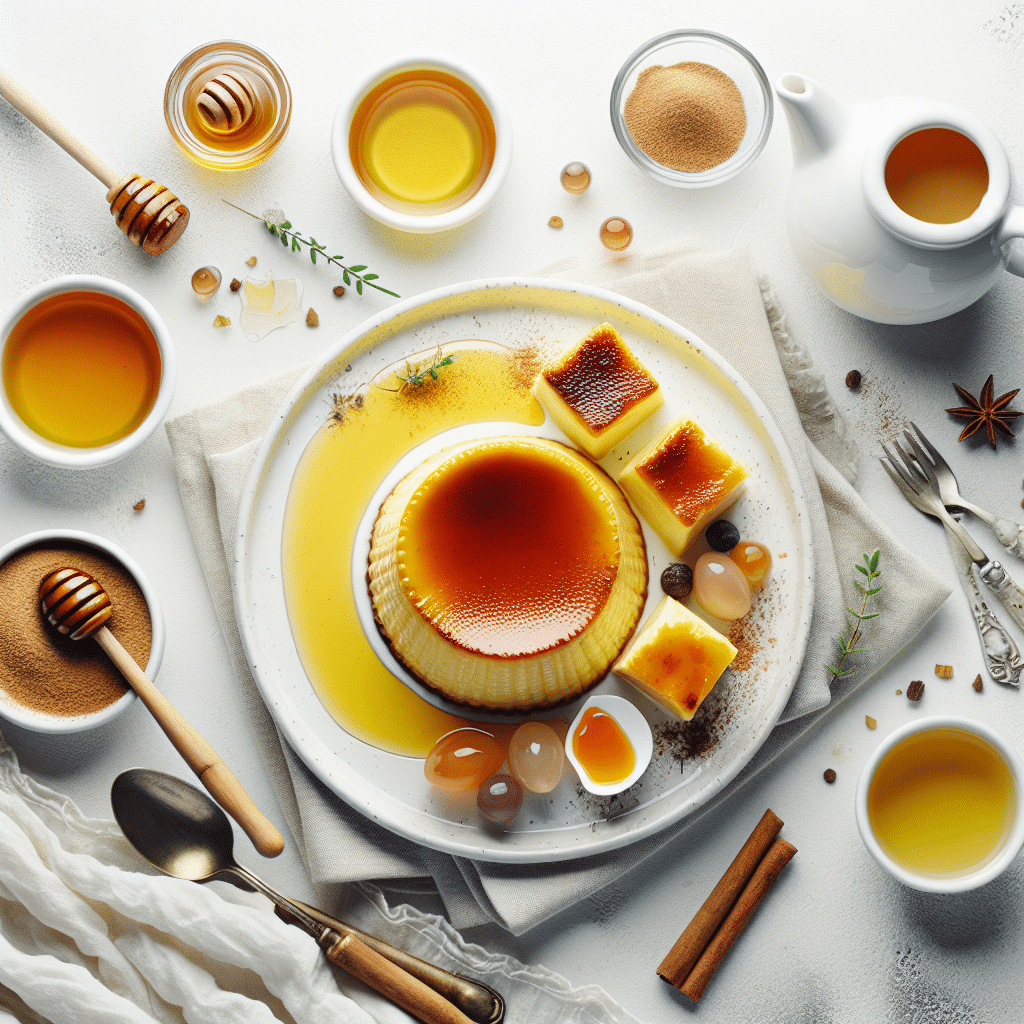
Greek custard desserts are a delightful part of the Mediterranean culinary tradition, known for their smooth textures and rich flavors. Perfect for those who appreciate sweet, creamy treats, these desserts are ideal for family gatherings, holiday celebrations, or simply enjoying with coffee. A classic example is **Βαθιά Φυτική Κρέμα** (Vathia Fytiki Krema), a custard usually prepared with milk, eggs, and sugar, originating from the sunny locales of Greece.
- Prep Time: 20 minutes
- Chill Time: 3–4 hours
- Cook Time: 30 minutes
- Difficulty: Medium
- Region: Greek Islands
The flavor profile is a beautiful balance of sweetness with undertones of lemon or orange citrus zest, often complemented by a hint of vanilla. These desserts are primarily served after dinner, during holidays, or with a cup of Greek coffee for a comforting dessert experience.
Ingredients
– **Milk:** 1 liter (4 cups)
– **Granulated Sugar:** 200 grams (1 cup)
– **Egg Yolks:** 6 large
– **Cornstarch:** 80 grams (1/2 cup)
– **Vanilla Bean:** 1, split and scraped or 1 tsp pure vanilla extract
– **Citrus Zest:** Zest of 1 lemon (or orange)
– **Unsalted Butter:** 50 grams (3.5 tablespoons)
– **Salt:** 1/4 tsp
Optional Toppings:
- Cocoa Powder: for dusting
- Shaved Chocolate: for garnish
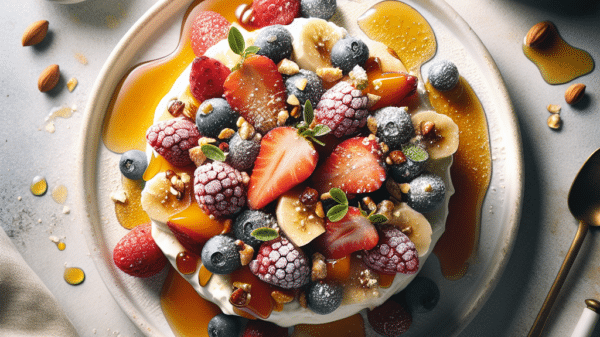
- Fresh Berries: such as strawberries or blueberries
- Chopped Nuts: like pistachios or almonds
Step-by-Step Instructions
1. **Prepare Your Ingredients:** Gather all your ingredients and equipment, including a saucepan, mixing bowl, and whisk. It’s essential that the egg yolks are at room temperature for optimal mixing.
Heat the Milk: In a medium saucepan, pour the milk and add sugar. Heat over medium heat until it begins to steam, ensuring it doesn’t boil. Watch carefully to avoid scalding.
Mix Dry Ingredients: In a separate bowl, whisk together the cornstarch and a pinch of salt. This will help avoid lumps in your custard.
Beat Egg Yolks: In another bowl, beat the egg yolks with the vanilla bean seeds (or extract) and citrus zest until the mixture is pale and creamy, about 3–5 minutes.
Combine Mixtures: Once the milk is heated, slowly pour half of it into the beaten egg yolk mixture, whisking constantly to temper the eggs. This prevents curdling.
Return to Heat: Pour the egg mixture back into the saucepan with the remaining milk. Cook over medium heat, stirring constantly until the mixture thickens and coats the back of a spoon, around 5–7 minutes.
Incorporate Butter: Once thickened, remove from heat and stir in the butter until melted and smooth.
Chill the Custard: Transfer the custard to serving dishes, cover with plastic wrap touching the surface to prevent a skin from forming, and refrigerate for at least 3–4 hours.
Common Mistakes to Avoid:
- Over-mixing cream which can deflate the mixture.
- Not heating sugar enough to dissolve completely, leading to gritty texture.
- Letting the custard boil, which could cause curdling.
Variations & Substitutions
– **Vegan:** Substitute whole milk with almond, coconut, or oat milk, and use cornstarch or silken tofu instead of egg yolks.
– **Gluten-Free:** The recipe is gluten-free as it stands, ensuring a delightful dessert for those with gluten sensitivities.
– **Dairy-Free:** Use plant-based butter or none at all.
For regional twists, consider Galaktoboureko, where a creamy custard is wrapped in crispy phyllo pastry, or Pasta Flora, which uses a similar custard filling in tart form.
Try a modern approach by infusing the custard with matcha or coffee flavors for a contemporary twist while maintaining the original taste.
Make Ahead, Storage & Reheating
These custard desserts can be prepared up to 2 days in advance and stored in the refrigerator. Ensure you cover them with plastic wrap or an airtight container to maintain their creamy texture.
Avoid freezing, as the texture may compromise once thawed. For refreshing the custard, simply re-whip any topping or add a splash of milk before serving.
Nutrition (Approx.)
Per serving (based on 8 servings):
– **Calories:** 240
– **Protein:** 6g
– **Fat:** 8g
– **Carbohydrates:** 30g
– **Fiber:** 0g
– **Sugar:** 24g
For low-sugar versions, reduce sugar by half, or use natural sweeteners like stevia.
Serving Suggestions
Pair these luscious custards with a strong espresso or a sweet dessert wine like **Vin Santo** for an authentic experience. For elegant presentations, serve in clear glass cups adorned with fresh berries or a sprinkle of cocoa powder. For a family-friendly option, offer fun toppings like colorful sprinkles or chocolate sauce.
Seasonal garnishes such as fresh figs in summer or roasted chestnuts in winter can elevate the dessert’s appeal.
FAQs
– **How long should custard chill?** Aim for a minimum of 3 hours to set properly.
– **Can I use cream cheese instead of mascarpone?** While cream cheese has a tangier flavor, it can be used as a substitute.
– **How do I keep the texture smooth?** Avoid boiling the custard and ensure you temper the eggs correctly.
– **Can I freeze custard?** It’s not recommended as it can lead to a grainy texture upon thawing.
– **What if my custard doesn’t thicken?** Ensure you’ve cooked it long enough and kept the heat low to prevent curdling.
Conclusion
Mastering Greek custard desserts not only allows you to create a deliciously creamy treat but also connects you to the rich culinary traditions of Greece. Emphasizing patience in preparation and attention to detail can lead to a heavenly outcome. Although these desserts might require a skillful approach, experimenting in the kitchen with authentic techniques can be immensely rewarding.
We invite you to try your hand at these recipes and share your favorite twists on traditional Greek custards. Your family and friends will surely appreciate the delightful sweet endings that await!