













Overview
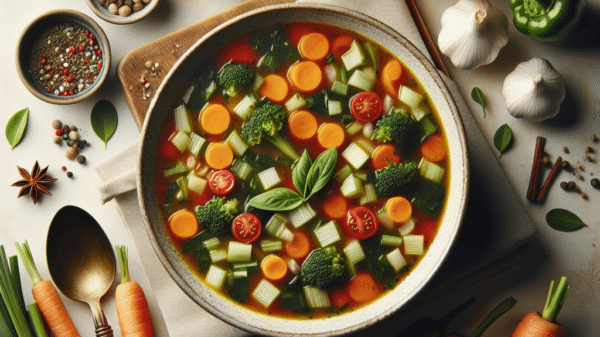
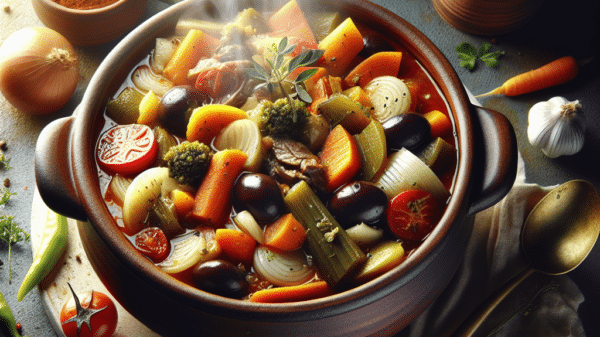
Mastering tomato-based Greek soups offers an exciting culinary adventure that suits anyone interested in authentic Mediterranean flavors. Typically, these soups showcase a harmonious blend of fresh vegetables, aromatic herbs, and rich tomato bases, appealing to both novice and seasoned cooks. The preparation time ranges from 20 to 45 minutes, depending on the complexity of the recipe, while cooking can last around 30 to 60 minutes. The difficulty level varies from easy to intermediate based on the chosen dish.
Regions like Santorini and Crete are well known for their distinct flavors and styles. The flavor profile of Greek tomato-based soups is characterized by a balance of savory, tangy, and herbal notes. Traditionally, these soups are enjoyed as a part of a meze platter, served during family gatherings, or enjoyed as a light meal any time of the day, particularly in colder months.
Ingredients
- 2 tablespoons olive oil (30 mL)
- 1 medium onion, diced
- 2 cloves garlic, minced
- 1 large carrot, diced
- 1 large red bell pepper, diced
- 1 can (400 g) crushed tomatoes
- 4 cups vegetable broth (950 mL)
- 1 teaspoon dried oregano (5 g)
- 1 teaspoon dried basil (5 g)
- Salt and pepper to taste
- 1 tablespoon fresh parsley, chopped (optional)
Authentic Greek ingredients like extra virgin olive oil and dried Oregano are crucial for developing genuine flavors. Optional toppings include crumbled feta cheese, fresh basil leaves, or a drizzle of balsamic reduction to elevate the dish.
Step-by-Step Instructions
- Heat olive oil in a large pot over medium heat for about 2 minutes.
- Add diced onion, and sauté for 3-4 minutes or until translucent.
- Mix in minced garlic and cook for an additional 1 minute, ensuring not to burn the garlic.
- Add diced carrot and bell pepper, cooking for about 5-7 minutes until softened.
- Stir in crushed tomatoes, vegetable broth, oregano, and basil. Bring the mixture to a boil.
- Reduce heat and let it simmer for 20-30 minutes, until vegetables are tender, stirring occasionally.
- Season with salt and pepper, adjusting to taste.
- If desired, blend the soup for a smooth texture or leave chunky for a rustic feel.
- Garnish with parsley before serving.
Common mistakes include over-cooking garlic, which becomes bitter, or adding too much salt prematurely. Taste as you go to avoid soggy inconsistencies.
Variations & Substitutions
To cater to dietary restrictions, substitutes can be made. For a vegan version, ensure the vegetable broth is entirely plant-based, and skip any dairy in garnishes. Gluten-free options are easily achievable by choosing gluten-free vegetables and avoiding croutons. For a low-sugar version, fresh vegetables should be emphasized over canned varieties.
Regional twists may include the addition of cummin or lemon juice for a more Sicilian flair or utilizing local herbs to create unique variations. Lighter versions can incorporate more vegetables or beans for a hearty texture without extra calories.
Make Ahead, Storage & Reheating
You can prepare the soup a day in advance. Store it in an airtight container in the refrigerator for up to 3 days or freeze it for up to 3 months. To maintain a smooth texture, cool the soup completely before refrigerating or freezing, and when reheating, do so slowly on the stove over low heat, stirring regularly to avoid scorching.
Nutrition (Approx.)
| Nutrition Value | Per Serving (1 cup) |
|---|---|
| Calories | 150 |
| Protein | 3 g |
| Fat | 7 g |
| Carbohydrates | 20 g |
For low-sugar versions, focus on fresh vegetables and avoid high-sugar canned varieties.
Serving Suggestions
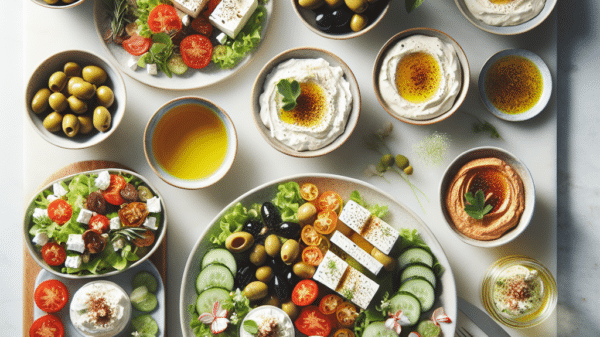
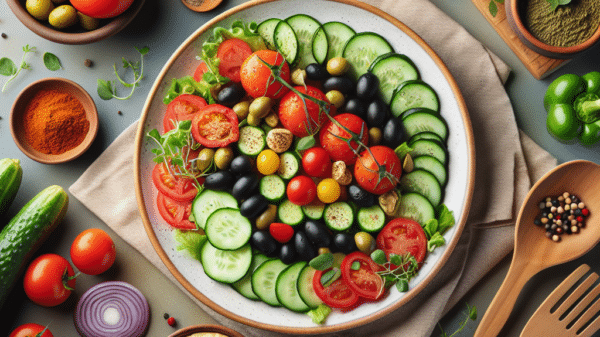
This soup pairs beautifully with crusty bread, a light salad, or a traditional Greek salad composed of tomatoes, cucumbers, onion, and feta. Presentation can be enhanced by serving it in rustic bowls with crusty bread on the side, and seasonal garnishes like chopped olives or a sprinkle of fresh herbs. For a family-friendly approach, serve it alongside cheese toast for dipping.
FAQs
- How long should the soup simmer? Aim for 20-30 minutes for flavors to meld.
- Can I use fresh tomatoes instead of canned? Yes, but scale up on seasoning as fresh tomatoes may lack acidity.
- How do I keep the soup from being too thick? Add more broth or water gradually until the desired consistency is reached.
- Can this soup be frozen? Yes, it freezes well if stored properly in an airtight container.
Conclusion
Mastering authentic tomato-based Greek soups not only brings traditional flavors to your kitchen but also fosters a greater appreciation for Greece’s rich culinary heritage. Remember to use high-quality ingredients, taste as you go, and don’t be afraid to explore regional variations. Share your creations and experiences with these delicious soups, and inspire others to enjoy the true taste of Greece.