
Overview
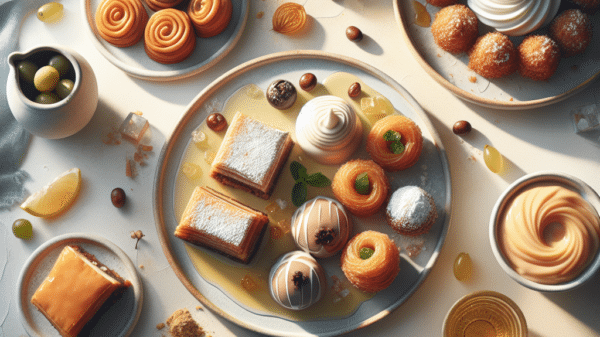
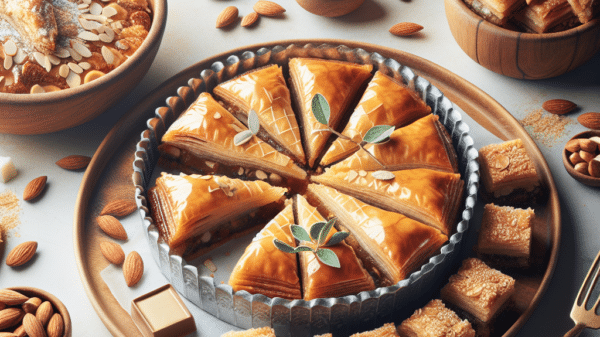
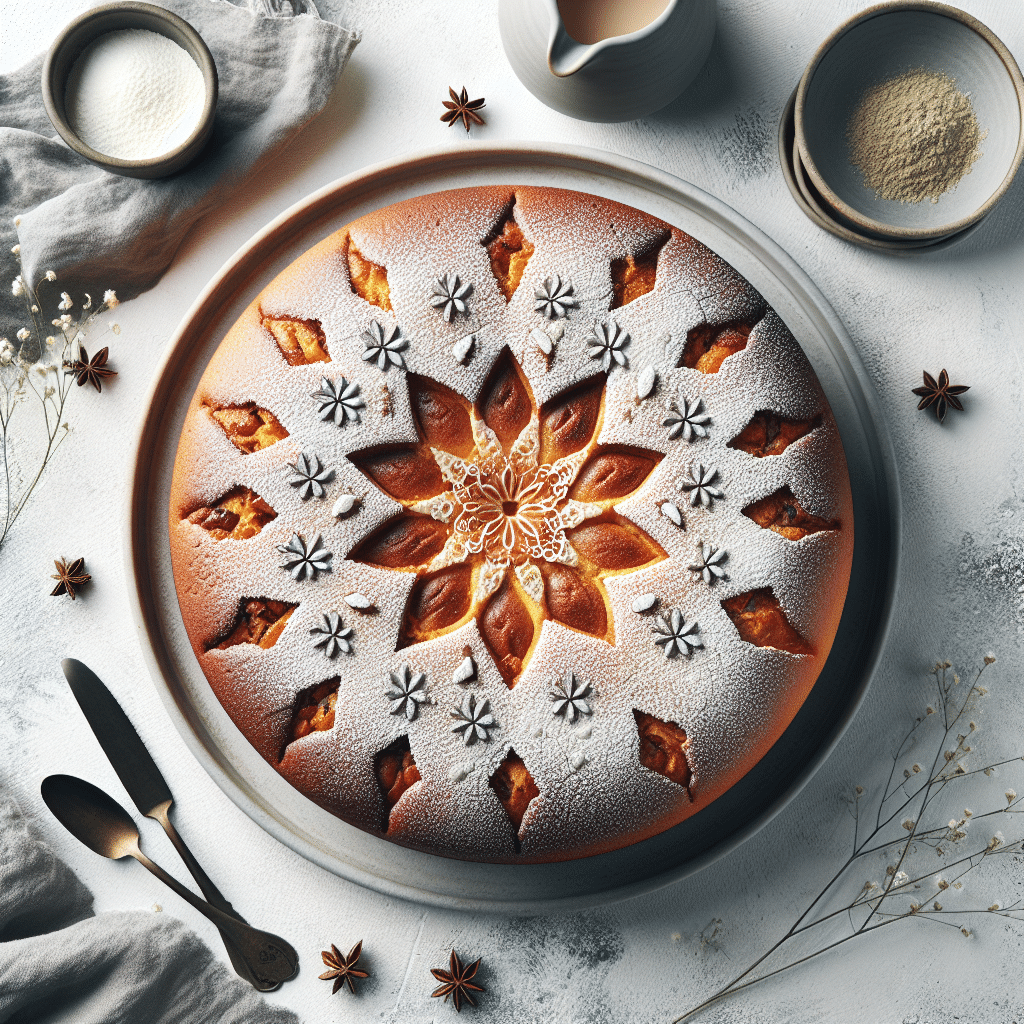
Greek desserts hold a special place in the hearts of people from various walks of life, being a delightful choice for anyone who enjoys sweets—whether you’re a seasoned chef or a curious beginner. This article will focus on the labor of love that is *Baklava*, a rich, flaky pastry filled with the flavors of nuts and honey, originating from the rich culinary tradition of the Mediterranean—a specialty especially beloved in the regions of Athens and Istanbul.
Prep time for baklava is approximately 30 minutes, with a cook time of 45 minutes, making the total time about 1 hour and 15 minutes. The difficulty level is moderate due to the technique involved in handling phyllo dough. Traditionally, baklava is served as a sweet ending to meals, during festive occasions, and often with coffee, embodying the spirit of Greek hospitality and warmth.
The flavor profile of baklava is a complex blend of sweet, nutty, and aromatic notes, thanks to the use of cinnamon and cloves, combined with the richness of the honey syrup that soaks the layers of pastry.
Ingredients
- 1 package (450g) phyllo dough, thawed
- 250g (2 cups) unsalted butter, melted
- 200g (about 2 cups) walnuts or pistachios, finely chopped
- 100g (1 cup) granulated sugar
- 1 tsp ground cinnamon
- ¼ tsp ground cloves (optional)
- 250ml (1 cup) water
- 250g (1 cup) honey
- 1 tbsp vanilla extract
Optional toppings:
- Chopped pistachios or walnuts for garnish
- Cinnamon for dusting
- Fresh mint leaves
Step-by-Step Instructions
- Preheat your oven to 180°C (350°F). Grease a 3-inch by 13-inch baking dish with butter.
- In a bowl, mix the chopped nuts with the sugar, cinnamon, and ground cloves until well combined.
- Take one sheet of phyllo dough and lay it in the greased dish. Brush generously with melted butter. This will be your base layer. Repeat this process for 7-8 layers to ensure a firm foundation. Watch for any tears in the dough.
- Once you have your base layers, spread a thin layer of the nut mixture over the phyllo. Cover this with 2 more sheets of phyllo, brushing each with butter before adding another layer. Repeat this process of layering nuts and phyllo until all ingredients are used up, ending with 8 layers of phyllo on top.
- Using a sharp knife, slice the baklava into diamond or square shapes. This will make it easier to serve later.
- Bake in the preheated oven for about 45 minutes, until golden brown and crisp. Keep an eye on it towards the end to prevent burning.
- While the baklava is baking, prepare the syrup. In a small saucepan over medium heat, combine water, honey, and vanilla extract. Bring to a boil, and then reduce heat to low for about 10 minutes. Allow it to cool.
- Once baklava is done, remove it from the oven and immediately pour the syrup over the hot baklava. Let it soak for at least 4 hours, or ideally overnight, for the best flavor and texture.
Common mistakes to avoid include over-mixing the nut filling and allowing the syrup to boil for too long, which can result in a sticky consistency instead of a syrupy one. Also, ensure the butter has cooled slightly before using to prevent further cooking the phyllo layers.
Variations & Substitutions
You can adapt baklava for a variety of dietary needs while keeping the essence intact:
- For a vegan version, substitute butter with almond or coconut oil and honey with maple syrup.
- To make it gluten-free, use gluten-free phyllo dough available in specialty stores.
- For a lower sugar option, consider using a sugar substitute like stevia or erythritol.
- Regional twists might include adding unique nuts such as hazelnuts or changing the spice blend to include cardamom for a distinctive flavor.
- Modern versions can incorporate different fillings such as chocolate or a hint of orange zest for a refreshing twist, while still maintaining traditional flavors.
Make Ahead, Storage & Reheating
Baklava can be made up to 3 days in advance. To store, keep it covered in an airtight container at room temperature to maintain the crispy layers. If you’re preparing it even further in advance, it can be stored in the freezer for up to two months before baking.
For optimal texture, avoid refrigerating the baklava, as it can lead to sogginess. If you have leftovers, reheating isn’t usually necessary; however, if desired, you can warm it in the oven at a very low temperature for a few minutes to restore some crispness.
Nutrition (Approx.)
Each serving of baklava (approximately 1 piece) has an estimated caloric content of:
- Calories: 330
- Carbohydrates: 45g
- Protein: 4g
- Fat: 16g
- Sugar: 23g
Keep in mind that these values may vary depending on specific ingredients used and portion sizes.
Serving Suggestions
Baklava pairs wonderfully with a cup of strong espresso or cappuccino, and it can be a delightful accompaniment to dessert wines such as Vin Santo. For elegant presentation, consider plating it with a dusting of powdered sugar and a small scoop of vanilla ice cream. For a kid-friendly option, serve it alongside fresh fruit like strawberries or oranges to create a fresh contrast.
Seasonal garnishes, such as citrus zest during winter holidays or fresh mint leaves in summer, can also elevate your baklava both visually and in taste.
FAQs
- How long should baklava chill? It’s best to let it soak in syrup for at least 4 hours or overnight for optimal flavor.
- Can I use cream cheese instead of ricotta? Traditional baklava does not use cream cheese; this is not a common practice.
- How do I keep baklava crisp after baking? Store it in an airtight container at room temperature, not in the refrigerator.
- Can I freeze baklava? Yes, you can freeze it before baking, but it’s not recommended after the syrup has been added.
Conclusion
In summary, baklava is a sacred dessert that carries centuries of culinary tradition, rich flavors, and an inviting sweetness that can brighten any occasion. By following the steps outlined here, you’ll not only master the classic techniques but develop an appreciation for the artistry that goes into this beloved Greek dessert.
We encourage you to try your hand at baklava and explore the variations that make it truly your own. Share your results and experiences with us, and indulge in the joy of creating this delightful treat!