














Overview
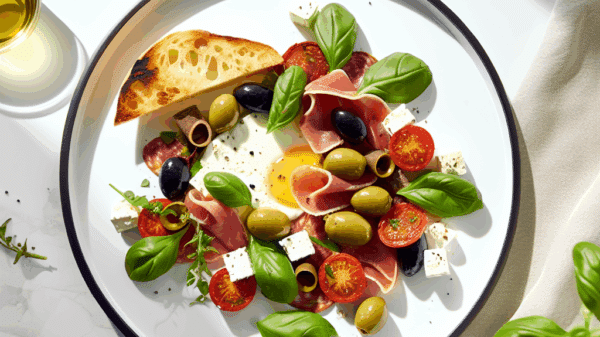
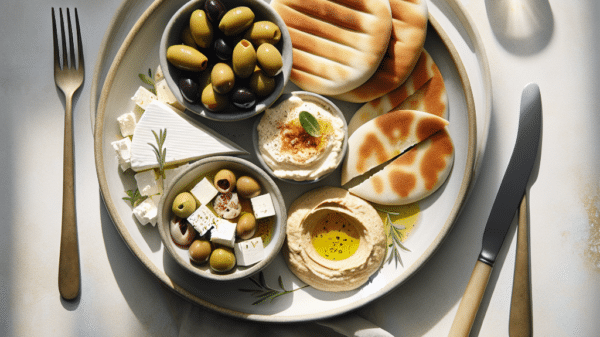
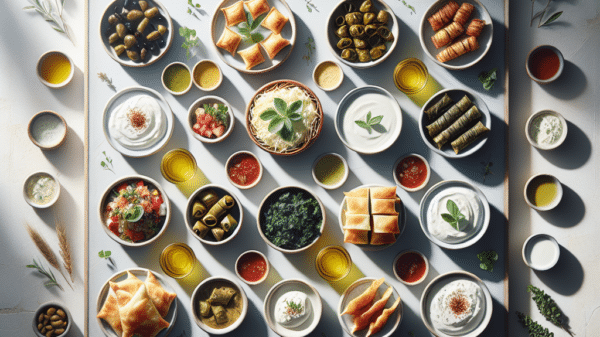
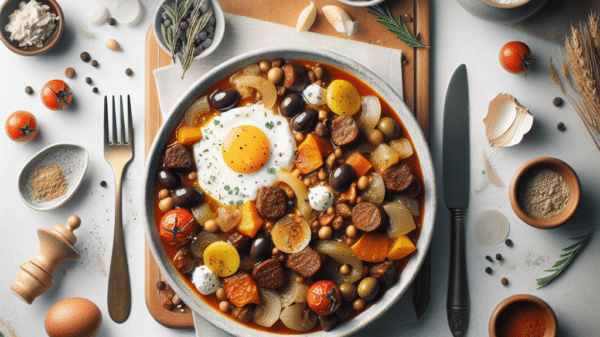
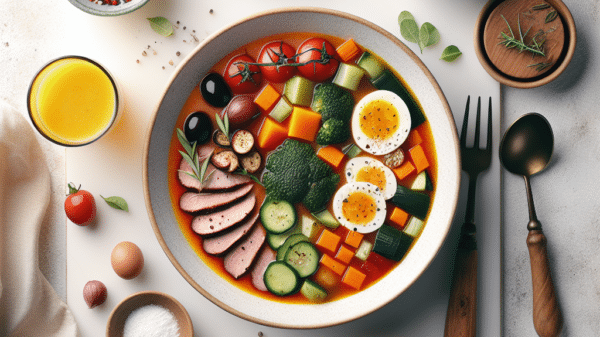
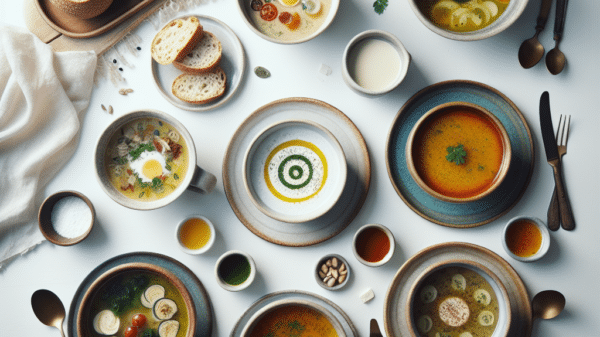
Peloponnesian cuisine is celebrated for its rich history and diverse flavors, making it a gastronomic treasure for any food lover. This culinary guide introduces you to traditional dishes that encapsulate the essence of the Peloponnese, the southernmost part of mainland Greece. Ideal for food enthusiasts, families, and anyone curious about Greek culture, these dishes are meant to be shared and enjoyed. Estimated prep/cook time varies but generally ranges from 90 to 120 minutes. The difficulty level is moderate, requiring basic cooking skills. The flavors of Peloponnesian cuisine are typically robust and earthy, often featuring herbs, olive oil, and locally-sourced ingredients. These dishes are perfect for family meals, festive gatherings, or cozy weeknight dinners.
Ingredients
- 500g (1 lb) lamb shoulder, bone-in
- 250ml (1 cup) extra-virgin olive oil
- 2 medium onions, finely chopped
- 4 garlic cloves, minced
- 2 large tomatoes, diced
- 150g (1 cup) wild or fresh herbs (thyme, rosemary)
- 300ml (about 1 ¼ cups) chicken broth
- 1 tsp ground black pepper
- 1 tbsp sea salt
- Juice of 1 lemon
- 300g (2 cups) orzo pasta (optional)
Step-by-Step Instructions
- In a large pot, heat 125ml (½ cup) of extra-virgin olive oil over medium heat. Add the chopped onions and sauté until translucent, about 5-7 minutes.
- Add minced garlic and cook for an additional 2 minutes until fragrant.
- Increase the heat to high and add the lamb shoulder. Sear all sides until browned, approximately 5-10 minutes.
- Pour in the diced tomatoes and season with sea salt and black pepper. Stir to combine.
- Add the chicken broth and lemon juice. Bring to a simmer, then reduce the heat to low, cover, and braise for 1.5 hours, or until the meat is fork-tender.
- During the final 15 minutes of cooking, add the orzo pasta to the pot. Stir occasionally to avoid sticking.
- Once everything is cooked, remove from heat and garnish with fresh herbs before serving. Plating tip: serve directly from the pot for a rustic look or transfer to a decorative serving bowl.
Variations & Substitutions
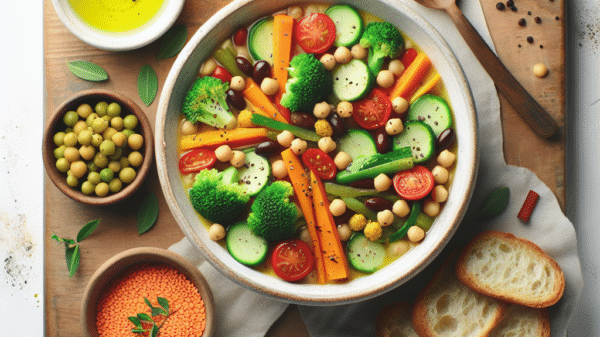
If you’re looking for dietary swaps, consider substituting the lamb with chickpeas for a vegan option or using quinoa instead of orzo for a gluten-free alternative. For a lighter adaptation, try using lean chicken thighs or even fish, seasoned similarly. Traditional herbs like oregano and dill can also add unique flavor variations to the dish, reflecting fusion with Mediterranean cuisines.
Make Ahead, Storage & Reheating
Prepare all ingredients ahead of time, and you can marinate the lamb in olive oil, lemon, and herbs overnight for enhanced flavor. You can store the cooked dish in an airtight container in the refrigerator for up to 3 days. For longer storage, freeze portions for up to 3 months. To reheat, defrost overnight in the refrigerator, then warm on the stove over low heat, adding a splash of broth to retain moisture and tenderness.
Nutrition (Approx.)
Each serving contains approximately 500 calories, 40g protein, 30g fat, and 20g carbohydrates, assuming traditional lamb and orzo preparation. Make adjustments based on substitutions, like protein type and portion sizes.
Serving Suggestions
Pair your Peloponnesian dish with traditional Saganaki (fried cheese), a side of Greek salad, or roasted vegetables for a wholesome feast. A glass of local red or white Greek wine, such as Agiorgitiko or Assyrtiko, complements the meal beautifully. For kid-friendly plating, serve smaller portions alongside fun garnishes like olives or feta, and drizzle with extra-virgin olive oil for added flair.
FAQs
- Can I use another type of meat instead of lamb?
- Absolutely! Chicken, beef, or even fish can be delicious substitutes.
- How can I make it gluten-free?
- Simply swap orzo for quinoa or omit it entirely to keep the dish hearty.
- What if I don’t have chicken broth?
- Vegetable broth is a great alternative that will still enrich the flavor.
- How long can leftovers be stored?
- You can keep leftovers in the fridge for up to 3 days, or freeze for up to 3 months.
- What herbs do you recommend for enhancing flavor?
- Thyme, rosemary, and oregano are traditional choices that elevate the dish beautifully.
Conclusion
In summary, Peloponnesian cuisine offers an authentic glimpse into Greek cooking, highlighting the importance of fresh ingredients and traditional techniques. By experimenting with variations and regional twists, you can personalize these meals to suit any occasion. We encourage you to try out these recipes, explore other Greek main courses, and share your results or favorite versions with us. Dive into the flavors of the Peloponnese and savor the vibrant culinary culture that has been cherished for generations!