




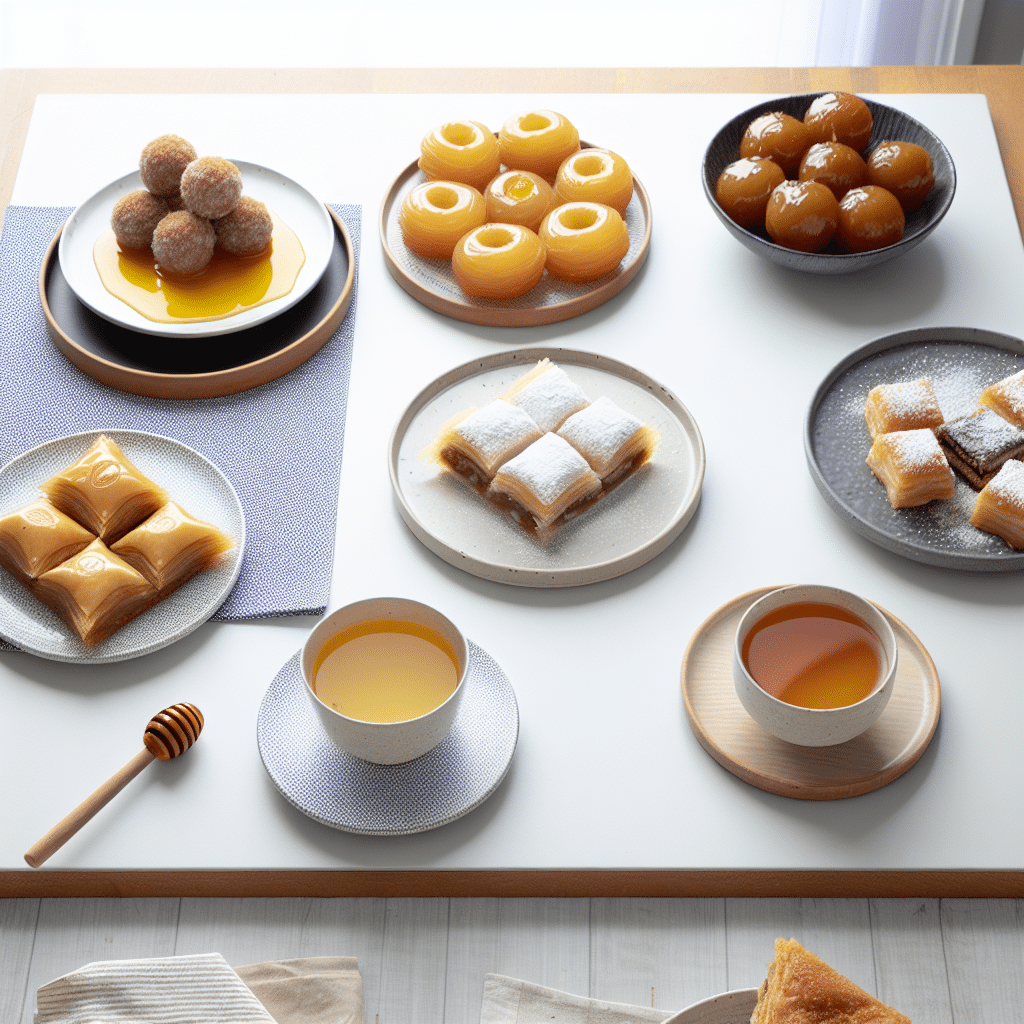
Overview
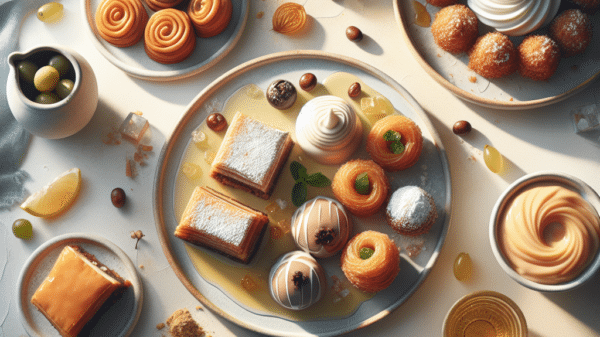
Greek desserts are a sublime reflection of the Mediterranean’s natural bounty and culinary heritage, perfect for those with a penchant for sweet treats that are both rich in flavor and history. This season, we’re focusing on seven timeless Greek desserts that not only tantalize the taste buds but also showcase authentic ingredients and traditional techniques. With varying levels of complexity, these desserts are suitable for everyone—from novice cooks looking to try their hand at a classic to experienced bakers eager to explore regional specialties.
Estimated prep/cook/chill time: 1-3 hours (varies by dessert)
Difficulty: Easy to Moderate
Regional Origin: Various regions across Greece
The flavor profiles vary from nutty baklavas to silky, sweet panna cottas, with each dessert traditionally served at different occasions—ranging from after-dinner treats and holiday celebrations to afternoon coffee pairings.
Ingredients
- Baklava:
- 450 g (1 lb) phyllo dough
- 250 g (1.5 cups) walnuts, finely chopped
- 150 g (3/4 cup) almonds, finely chopped
- 200 g (1 cup) unsalted butter, melted
- 200 g (1 cup) sugar
- 1 tsp cinnamon
- 200 ml (0.75 cups) water
- 250 g (1 cup) honey
- Optional: crushed pistachios for garnish
- Revani:
- 200 g (1 cup) semolina
- 200 g (1 cup) sugar
- 3 large eggs
- 200 ml (0.75 cups) yogurt
- 100 ml (0.4 cups) milk
- 1 tsp baking powder
- 1 tsp vanilla extract
- Optional: syrup made from water, sugar, and lemon zest
- Kataifi:
- 500 g (1 lb) kataifi dough
- 400 g (2 cups) pistachios, chopped
- 200 g (1 cup) unsalted butter, melted
- 300 g (1 1/2 cups) sugar
- 250 ml (1 cup) water
- 200 g (3/4 cup) honey
- 1 tsp cinnamon
- Optional: whipped cream for serving
- Galaktoboureko:
- 500 g (1 lb) phyllo dough
- 2 liters (8 cups) milk
- 150 g (3/4 cup) sugar
- 120 g (1/2 cup) semolina
- 4 large eggs
- 150 g (1/2 cup) unsalted butter, melted
- 250 g (1 cup) sugar for syrup
- 1 lemon zest
- Optional: ground cinnamon for garnish
- Pistachio Mousse:
- 200 g (1 cup) pistachios, shelled
- 400 ml (1.5 cups) heavy cream
- 100 g (1/2 cup) sugar
- 1 tsp vanilla extract
- Optional: fresh berries for garnish
- Panna Cotta:
- 500 ml (2 cups) heavy cream
- 100 g (1/2 cup) sugar
- 1 tbsp gelatin
- 250 ml (1 cup) milk
- 1 tsp vanilla extract
- Optional: citrus zest for garnish
- Koulorakia:
- 500 g (4 cups) all-purpose flour
- 200 g (1 cup) sugar
- 150 g (2/3 cup) unsalted butter, softened
- 4 large eggs
- 1 tsp baking powder
- 1/2 cup milk
- 1 tsp vanilla extract
- Optional: sesame seeds for garnish
Step-by-Step Instructions
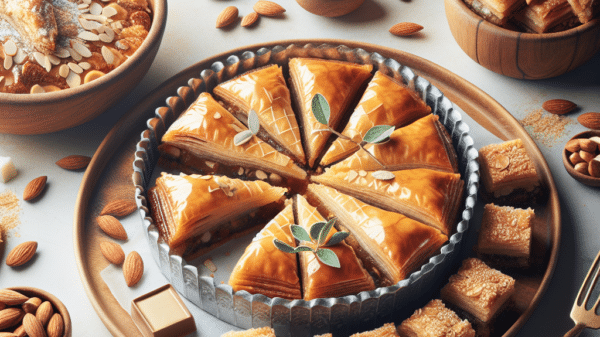
Baklava
- Preheat the oven to 175°C (350°F).
- Mix chopped walnuts, almonds, sugar, and cinnamon in a bowl.
- Layer phyllo sheets in a buttered pan, brushing each sheet with melted butter.
- Sprinkle the nut mixture every 5-6 layers.
- Cut the baklava into diamond shapes and bake for 45 minutes until golden brown.
- In a saucepan, combine water and honey to prepare the syrup, boil for 10 minutes, then pour over the hot baklava.
- Let it cool completely before serving. Garnish with crushed pistachios if desired.
Variations & Substitutions
Many Greek desserts can be adapted to meet dietary needs. For instance:
- Baklava: For a gluten-free option, use gluten-free phyllo dough.
- Revani: Substitute almond flour for semolina to ensure gluten-free.
- Kataifi: Use vegan butter and nuts to create a plant-based version.
- Panna Cotta: Substitute coconut milk for a dairy-free alternative.
Regional twists, such as adding chocolate to Kataifi or incorporating citrus zest into Panna Cotta, can elevate your dessert experience while maintaining authentic flavors.
Make Ahead, Storage & Reheating
Most Greek desserts can be made a day in advance, allowing the flavors to develop beautifully. Store them in airtight containers in the refrigerator. For items like Baklava and Kataifi, keep them at room temperature for the best texture.
If necessary, freeze desserts like Galaktoboureko, wrapped tightly in plastic wrap. Reheat gently in the oven (not the microwave) to maintain their textures.
Nutrition (Approx.)
- Baklava: ~300 calories per piece, 15g fat, 35g carbs, 4g protein
- Revani: ~250 calories per slice, 7g fat, 38g carbs, 5g protein
- Kataifi: ~350 calories per serving, 18g fat, 45g carbs, 5g protein
For lower-calorie versions, consider using substitutes like honey for sugar and reducing portion sizes.
Serving Suggestions
For an authentic experience, serve these desserts with traditional Greek coffee, herbal teas, or sweet dessert wines like Vin Santo. Plating ideas could include simple, elegant arrangements, while kid-friendly options might involve ice cream alongside your flakier pastries. Seasonal garnishes such as fresh berries or mint leaves can enhance visual appeal.
FAQs
- How long should baklava chill? It’s best chilled for at least 4 hours or overnight to absorb flavors.
- Can I use cream cheese instead of mascarpone? Yes, but it will alter the texture and taste slightly.
- How do I keep kataifi shells crisp? Store in a dry place and do not cover them until ready to serve.
- Can I freeze panna cotta? Yes, but it’s best enjoyed fresh for optimal texture.
Conclusion
Exploring these traditional Greek desserts allows you to appreciate Greece’s rich culinary landscape. From layering techniques to syrup-soaking rituals, each method imparts a unique flavor while respecting the time-honored recipes passed down through generations. We encourage you to try these recipes at home, share your experiences, and celebrate the sweet side of Greek culture!
Don’t forget to share your favorite Greek dessert creations in the comments below!