






7 Essential Greek Starters to Elevate Your Meze Experience
Overview
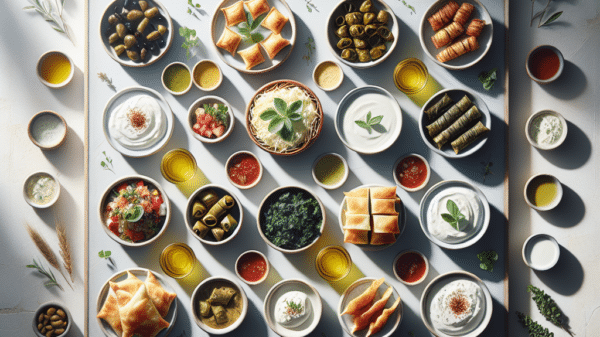
Greek starters, or “meze,” are small dishes designed to be shared and savored. They are perfect for gatherings, providing a taste of the rich culinary heritage of Greece. These dishes are generally served as appetizers before meals or during social occasions, allowing guests to enjoy a variety of flavors in one sitting. Typically, a meze platter might include a mix of cold and hot starters, making it an ideal choice for friends or family.
Prep/Cook Time: 30-60 minutes
Difficulty: Easy to Moderate
Regional Origin: Various regions in Greece
Traditional Serving Time: Before meals, aperitivo, or at parties
Ingredients
– **Tzatziki**:
– 250g Greek yogurt (8.8 oz)
– 1 cucumber, grated
– 2 cloves garlic, minced
– 2 tbsp extra-virgin olive oil
– 1 tbsp fresh dill, chopped
– Salt to taste
Spanakopita:
- 500g spinach (17.6 oz), fresh or frozen
- 200g feta cheese (7 oz), crumbled
- 1 onion, finely chopped
- 1 package phyllo pastry (400g / 14 oz)
- 3 tbsp olive oil
- 1 egg (optional)
Olive Tapenade:
- 200g black olives (7 oz), pitted
- 50g capers (1.76 oz)
- 2 tbsp extra-virgin olive oil
- 1 clove garlic, minced
- Juice of 1 lemon
- Fresh herbs (optional: thyme or rosemary)
Saganaki (Fried Cheese):
- 200g kefalotyri or halloumi cheese (7 oz)
- Flour for dusting
- Olive oil for frying
Dolmades (Stuffed Grape Leaves):
- 250g grape leaves (8.8 oz), jarred or canned
- 200g rice (7 oz), uncle ben’s suggested
- 1 onion, finely chopped
- 50g pine nuts (1.76 oz)
- 2 tbsp fresh dill, chopped
- Lemon slices for serving
Feta Wrapped in Phyllo:
- 200g feta cheese (7 oz)
- 5 sheets of phyllo pastry
- 3 tbsp olive oil
Greek Meatballs (Keftedes):
- 500g ground beef or lamb (17.6 oz)
- 1 onion, grated
- 2 cloves garlic, minced
- 1 tsp dried oregano
- 2 slices of bread (soaked in water and squeezed dry)
- Olive oil for frying
Optional toppings: fresh herbs, lemon wedges, olives
Step-by-Step Instructions
Tzatziki
- Grate the cucumber and squeeze out excess water.
- In a bowl, mix yogurt, grated cucumber, minced garlic, olive oil, dill, and salt.
- Chill for at least 30 minutes before serving for flavors to meld.
Spanakopita
- Preheat oven to 190°C (375°F).
- Sauté onions until translucent, add spinach, and cook until wilted.
- In a bowl, mix spinach, feta, and an optional egg.
- Lay sheets of phyllo, brushing each layer with olive oil; fill with the mixture and fold.
- Bake for 30 minutes or until golden brown.
Olive Tapenade
- In a food processor, blend olives, capers, olive oil, garlic, and lemon juice until coarse.
- Mix in optional herbs, adjusting seasoning to taste.
Saganaki
- Slice cheese into 0.5 cm (0.2 in) thick slices.
- Dust both sides with flour and shake off the excess.
- Heat oil in a frying pan, add cheese, and fry until golden brown on both sides.
Dolmades
- Rinse grape leaves if jarred; lay one flat, place 1 tbsp rice mixture on top, fold sides, and roll tightly.
- Place in a pot, cover with water, and simmer for 30-40 minutes until rice is cooked.
Feta Wrapped in Phyllo
- Preheat oven to 180°C (350°F).
- Cut feta into rectangles, wrap in phyllo, and brush with olive oil.
- Bake for 20 minutes until crispy and golden.
Greek Meatballs
- Mix ground meat, onion, garlic, oregano, and soaked bread in a bowl.
- Shape into balls and refrigerate for 30 minutes.
- Fry in olive oil until browned on all sides and cooked through.
Common mistakes to avoid:
- Soggy tzatziki from excess cucumber water.
- Overcooked spinach in spanakopita leading to a mushy filling.
- Using too much garlic in tapenade, overpowering the dish.
Variations & Substitutions
– **Vegan:** Replace feta with tofu in spanakopita; use vegan olive oil in all recipes.
– **Gluten-Free:** Substitute phyllo with gluten-free pastry or use lettuce wraps for dolmades.
– **Creative Twists:** Incorporate local nuts in tapenade; try adding roasted red peppers.
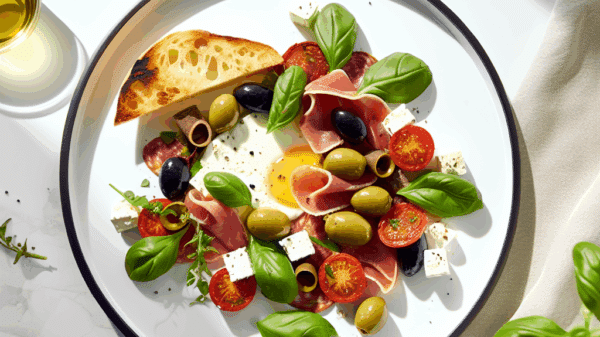
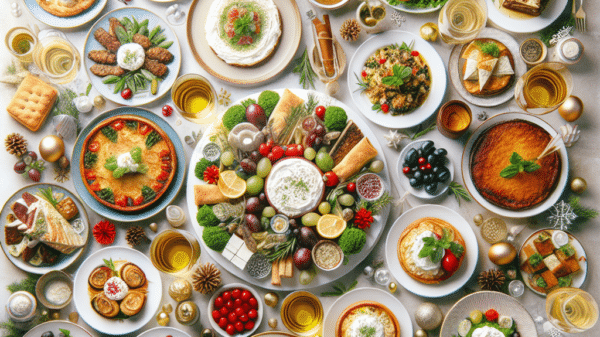
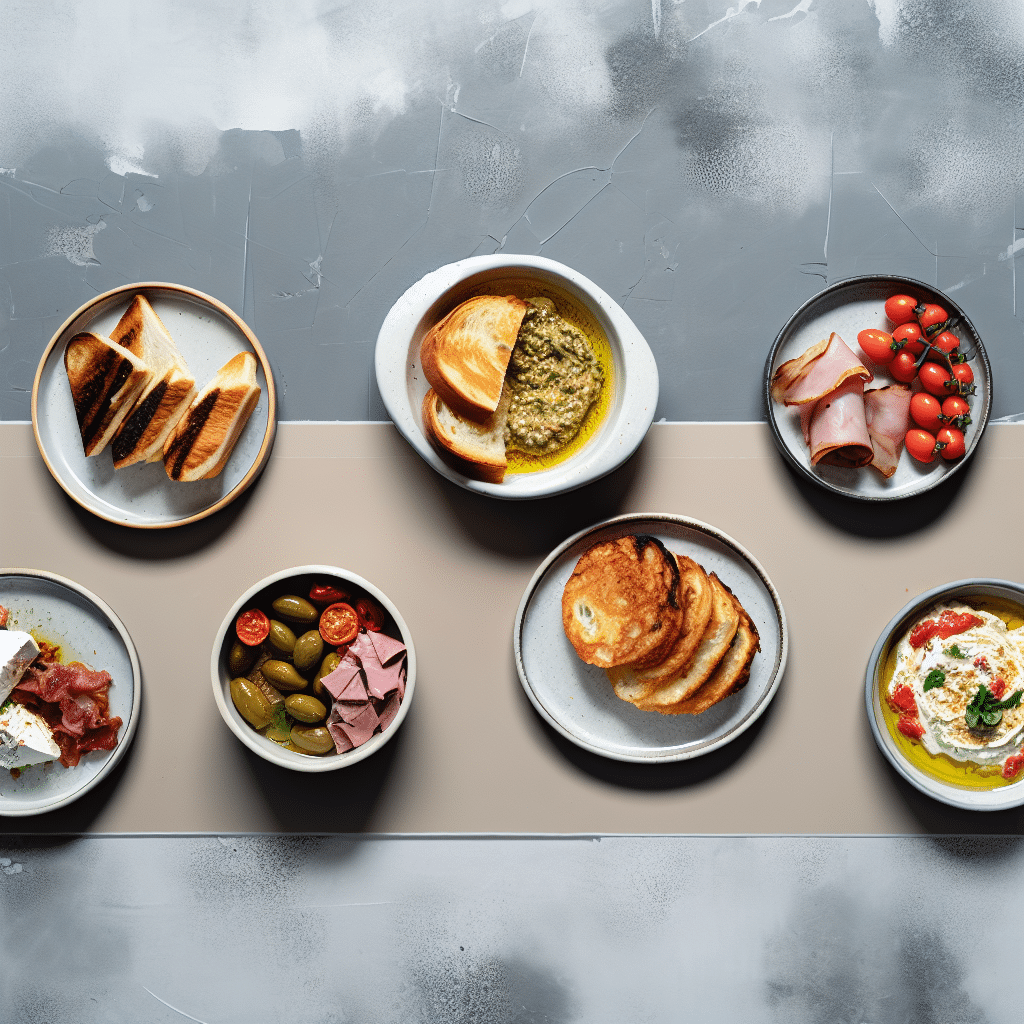
For a modern serving style, arrange all dishes on a large platter with colorful garnishes to encourage sharing.
Make Ahead, Storage & Reheating
– **Prep Ahead:** Make tzatziki, tapenade, and dolmades a day in advance.
– **Storage:** Store in airtight containers; meatballs and feta are best consumed fresh.
– **Reheating:** Use an oven to reheat fried items for crispy texture; microwave is fine for dolmades.
Nutrition (Approx.)
**Per Serving:**
– Tzatziki: 150 kcal, 12g protein, 5g carbs, 10g fat
– Spanakopita: 180 kcal, 6g protein, 18g carbs, 10g fat
– Olive Tapenade: 100 kcal, 1g protein, 5g carbs, 9g fat
– Saganaki: 250 kcal, 15g protein, 0g carbs, 20g fat
– Dolmades: 90 kcal, 2g protein, 19g carbs, 2g fat
– Feta Wrapped in Phyllo: 220 kcal, 6g protein, 18g carbs, 15g fat
– Greek Meatballs: 280 kcal, 20g protein, 2g carbs, 20g fat
Note: These estimates vary based on preparation methods and serving sizes.
Serving Suggestions
Pair meze with a refreshing Greek white wine like Assyrtiko or a spritz cocktail for a lively experience. Garnish dishes with fresh herbs and lemon wedges, along with seasonal vegetables displayed beautifully for a vibrant platter. For family-friendly options, consider smaller portions or bite-sized pieces for easy grab-and-go.
FAQs
– **How do I keep bruschetta crispy?**
Store bread separately and assemble right before serving.
Can I prepare antipasto ahead of time?
Yes! Most cold starters can be made a day in advance.
What’s the best way to serve dolmades?
Serve them warm or at room temperature with a slice of lemon.
Can I use frozen spinach for spanakopita?
Yes, just ensure it’s well-drained to avoid excess moisture.
Conclusion
Now that you know the essence of Greek starters, get creative in your kitchen and don’t hesitate to try local varieties for an authentic experience. Remember to serve your meze with love, letting the vibrant flavors speak for themselves. Encourage friends and family to share their favorite Greek starter recipes, making your gatherings even more diverse and delectable. Enjoy your culinary journey through Greece!