













Overview
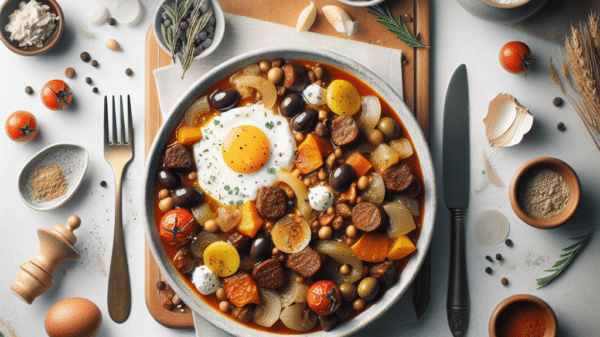
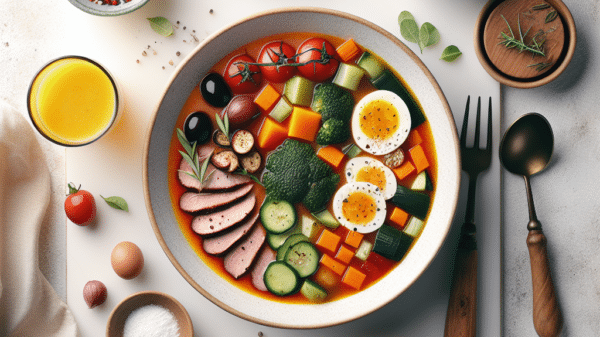
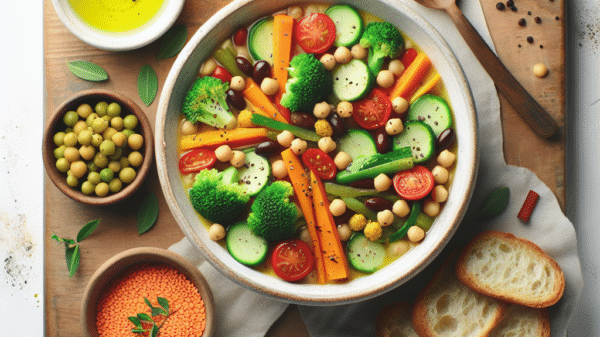
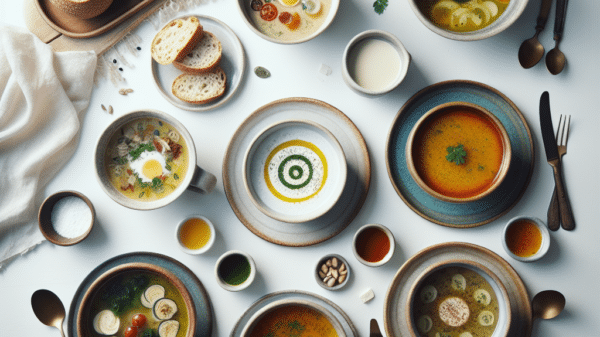
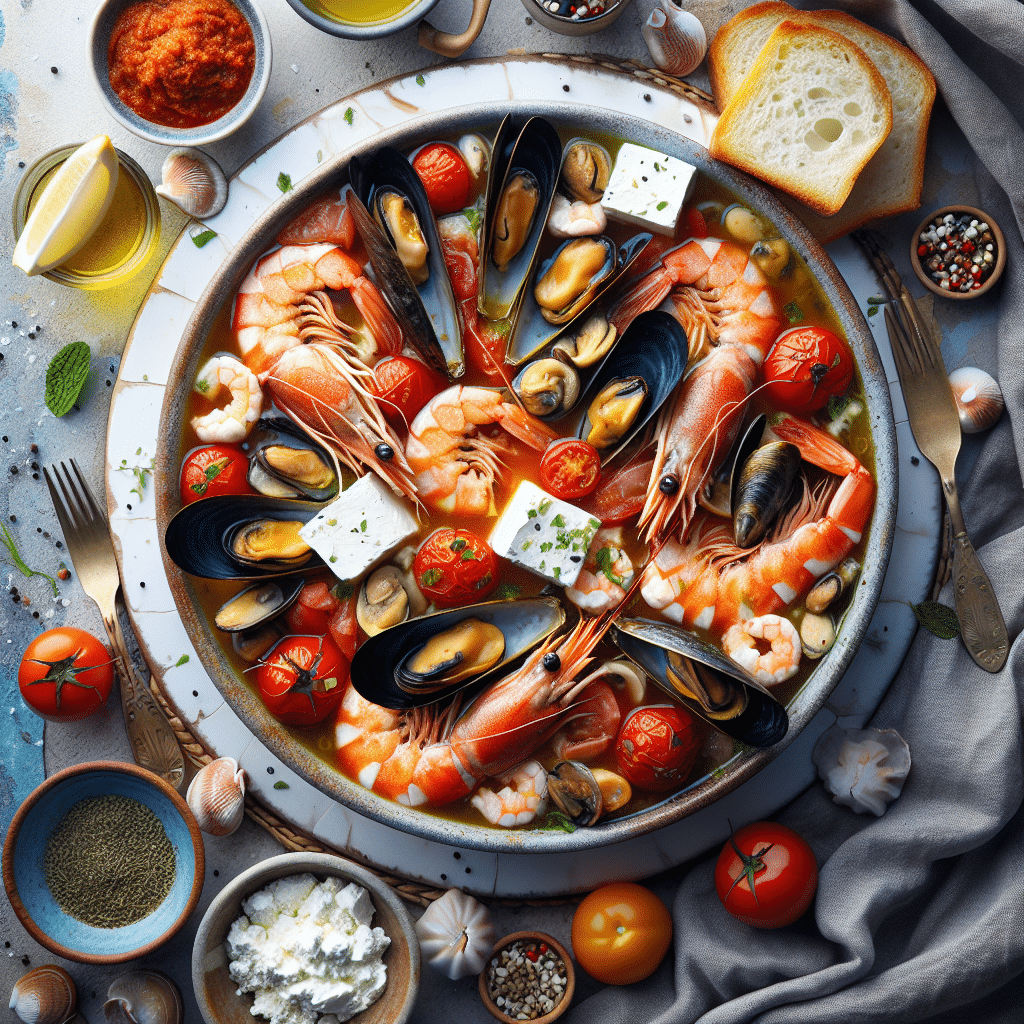
When it comes to Mediterranean cuisine, Greek soups and stews offer a warm hug in a bowl. Perfect for families or intimate gatherings, these dishes are richly flavored, comforting, and provide a tapestry of local ingredients. With varying prep and cook times, these stews can be accessible for anyone, from novice to culinary expert.
Estimated Prep Time: 15–30 minutes
Cook Time: 45–90 minutes
Difficulty: Easy to Moderate
Regional Origin: Various Greek islands and coastal regions
Greek stews often boast a medley of seafood flavors enriched with herbs like dill and oregano, featuring textures that range from creamy to broth-based goodness. Traditionally, they are enjoyed during Sunday family dinners or on special occasions, accompanied by crusty bread and a glass of ouzo or wine.
Ingredients
- 1 kg (2.2 lbs) of mixed seafood (shrimp, mussels, squid) – fresh or frozen
- 1 medium onion, diced (about 150 g or 5.3 oz)
- 3 cloves of garlic, minced
- 400 g (14 oz) diced tomatoes (canned or fresh)
- 100 ml (3.4 fl oz) olive oil
- 150 ml (5 fl oz) white wine
- 1 teaspoon dried oregano
- 1 teaspoon fresh dill, chopped
- Salt and pepper to taste
- 1 lemon, zested and juiced
- Fresh parsley for garnish
- Optional garnishes: Crusty bread, feta cheese, or olives
Step-by-Step Instructions
- Prepare your seafood: If using frozen seafood, thaw it under cold water. This ensures even cooking. (15 minutes)
- Sauté aromatics: In a large pot, heat the olive oil over medium heat. Add the diced onions and sauté for about 5–7 minutes until translucent. Add the minced garlic and sauté for an additional 2 minutes. Visually, the onions should be soft and golden.
- Deglaze with wine: Pour the white wine into the pot. Scrape any bits stuck to the bottom. Let it simmer for about 3–5 minutes until it reduces slightly.
- Add the tomatoes: Stir in the diced tomatoes, oregano, dill, salt, and pepper. Mix and let it simmer for 10 minutes. The sauce should thicken slightly.
- Cook the seafood: Add the mixed seafood to the pot and cover. Cook for about 10–15 minutes or until the seafood is opaque and cooked through. Common mistakes include overcooking the seafood, which can become rubbery.
- Finish with citrus: Just before serving, stir in the lemon zest and juice. This adds a bright flavor to the dish. Serve hot, garnished with fresh parsley.
Variations & Substitutions
If you’re looking for dietary swaps, here are some options:
- Vegan: Substitute seafood with chickpeas or mushrooms for texture and umami flavor.
- Gluten-Free: Ensure that any stock used is gluten-free.
- Dairy-Free: Omit any dairy garnishes like feta.
- Low-Sugar: Avoid sweet wines or canned tomatoes with added sugars.
For a regional twist, consider adding saffron for a taste reminiscent of the Greek islands.
Make Ahead, Storage & Reheating
Greek seafood stews can be made a day ahead, allowing flavors to deepen. Store in an airtight container in the fridge for up to 3 days or freeze for up to a month. When reheating, do so on low heat to preserve the textures, adding a splash of water or broth to maintain consistency.
Nutrition (Approx.)
Estimated nutrition per serving (for 4 servings):
Calories: 320
Protein: 30g
Carbohydrates: 22g
Fat: 15g
Note: These values may vary based on specific ingredients used.
Serving Suggestions
This stew pairs beautifully with a glass of chilled white wine or homemade tzatziki. For an elegant presentation, serve in deep bowls garnished with lemon wedges and chopped parsley. Crusty bread not only complements the dish but also makes it kid-friendly by allowing little ones to dip.
FAQs
How long should the stew simmer?
15–20 minutes is ideal to develop flavors without overcooking seafood.
Can I use frozen seafood?
Yes, frozen seafood is a convenient option. Just ensure it’s fully thawed.
How can I tell if the seafood is cooked?
The seafood should be opaque. Avoid any rubbery texture.
Can I freeze cooked stew?
Yes, but it’s best consumed fresh for optimal flavor and texture.
What to do if it’s too salty?
Add diced potatoes or additional tomatoes to balance the flavor.
Conclusion
Greek seafood stews provide a heartwarming escape into Mediterranean flavors, perfect for lively dinners or quiet nights in. Remember to focus on fresh ingredients and classic techniques to capture authentic flavors. I invite you to explore this culinary journey and share your own Greek stew creations with us!