


















Overview
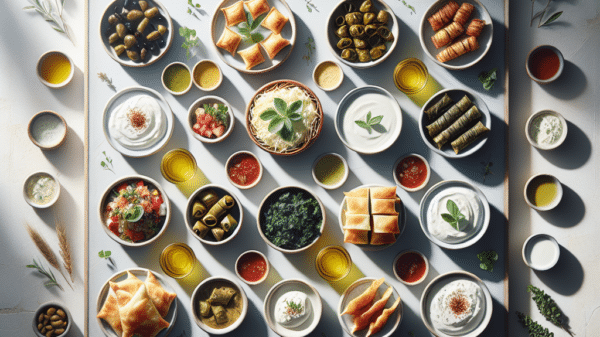
Greek pastries are an integral part of the Mediterranean culinary landscape, beloved for their rich flavors and textures. These delightful sweets cater to everyone from avid bakers to casual snackers, offering something for every palate. In this article, we delve into ten irresistible Greek pastries you must try this season, with insights into their preparation, regional origins, and flavor profiles.
Average prep time varies, with many pastries requiring about 30-60 minutes for assembly, while baking or chilling may take an additional 1-3 hours. The difficulty ranges from easy to moderately challenging, depending on the pastry. Most of these pastries hail from regions across Greece, with some enjoying special significance during local festivals or family holidays. Expect flavors that dance between sweet and nutty, fragrant with spices such as cinnamon and clove, often served post-dinner, during coffee time, or on special occasions.
Ingredients
- 1 ½ cups (190 g) flour (all-purpose)
- ½ cup (100 g) granulated sugar
- 1/2 cup (125 ml) olive oil or melted butter
- 2 large eggs
- 1 cup (240 ml) milk (or almond milk for dairy-free)
- 1 tsp (5 g) baking powder
- 1 cup (150 g) chopped nuts (walnuts or almonds)
- ½ tsp (2 g) cinnamon
- Juice and zest of 1 orange
- For optional garnishes: powdered sugar, chopped pistachios, or honey
Step-by-Step Instructions
- Prepare the dough: In a mixing bowl, whisk together the flour, baking powder, sugar, and cinnamon until combined. (Approx. 5 minutes)
- Incorporate wet ingredients: Make a well in the center of the dry ingredients, and add the eggs, olive oil, milk, orange juice, and zest. Mix until just combined, being careful not to over-mix. Look for a smooth consistency without lumps. (Approx. 5 minutes)
- Add nuts: Gently fold in the chopped nuts, ensuring even distribution. (Approx. 2 minutes)
- Prepare the baking dish: Preheat your oven to 350°F (180°C). Grease a baking pan with olive oil or line with parchment paper. (Approx. 5 minutes)
- Pour the batter: Transfer the batter into the prepared pan, smoothing the top evenly. (Approx. 2 minutes)
- Bake: Bake in the preheated oven for 30-40 minutes or until a toothpick inserted into the center comes out clean. The top should be golden brown. (Approx. 30-40 minutes)
- Cool and serve: Allow the pastry to cool for at least 20 minutes before cutting. Dust with powdered sugar and any optional toppings before serving. (Approx. 20 minutes)
Common mistakes to avoid include over-mixing your batter, which can lead to a dense pastry, or allowing the sugar to overheat, leading to caramelization.
Variations & Substitutions
For those on a vegan diet, substitute eggs with flaxseed meal soaked in water and opt for almond or coconut milk instead of dairy. A gluten-free variant can be achieved by using almond flour or a gluten-free flour mix.
Regional twists may involve different spice blends; for instance, adding mastic from Chios or thyme honey from Crete can provide unique flavors. Modern versions might include lighter alternatives, such as using Greek yogurt mixed with honey as a filling or topping.
Make Ahead, Storage & Reheating
Most Greek pastries can be prepared a day in advance. Store in an airtight container at room temperature to keep their texture intact. For longer storage, freeze for up to a month, defrosting thoroughly before serving.
To refresh textures, you can reheat in an oven set to a low temperature for about 10 minutes, ensuring the outer layer remains crisp while the inside warms through.
Nutrition (Approx.)
Each serving contains approximately:
- Calories: 200
- Fat: 8g
- Carbohydrates: 30g
- Protein: 4g
Note: These values are estimates and can vary based on specific ingredients used, particularly if you opt for lower-sugar or protein-enriched substitutes.
Serving Suggestions
Greek pastries shine when paired with a rich espresso or a sweet dessert wine like Vin Santo. For a delightful presentation, plate with fresh berries or seasonal fruits that complement their flavors. Consider garnishing with a drizzle of honey for added sweetness, or serve alongside whipped cream for a richer experience.
FAQs
How long should these pastries chill?
Most can be served warm or at room temperature. If made in advance, refrigerate for up to 3 days for best quality.
Can I use cream cheese instead of Greek yogurt?
While possible, using yogurt offers a tang that complements the sweetness of many pastries better than cream cheese.
How do I keep pastry shells crisp?
Store them in an airtight container and avoid filling until ready to serve to maintain crispness.
Can I freeze baklava?
Yes, baklava freezes well. Wrap tightly in plastic wrap and then in aluminum foil, or place in a freezer-safe container.
Conclusion
These ten irresistible Greek pastries not only showcase the rich culinary traditions of Greece but also present an opportunity for at-home bakers to experiment with layers, flavors, and textures. Embrace authentic techniques and connect with the regional flair each dessert brings. We encourage you to explore these delightful sweets and share your favorite Greek dessert creations with us!